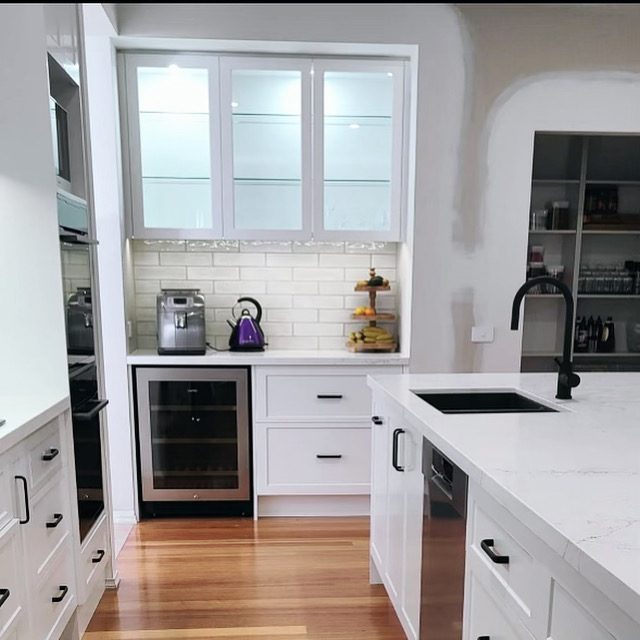
Before the renovation starts
Planning and brief
- Written brief including must-haves, nice-to-haves, and budget ceiling
- Existing kitchen photographed and measured
- Appliances decided — models specified, not just "60cm oven"
- Layout confirmed — plumbing and gas positions finalised
- All materials selected — cabinet finish, benchtop, splashback, handles
- 10–15% contingency added to budget
Quotes and contracts
- Minimum 3 written quotes received and compared
- Scope of work confirmed in writing — inclusions and exclusions
- PC items identified and realistic allowances confirmed
- Written contract signed covering scope, payment schedule, timeline, variation process
- Provider's licence number and insurance confirmed
- References from recent similar projects checked
Ordering and scheduling
- Cabinetry order placed — manufacture lead time confirmed
- Appliances ordered — delivery timing confirmed
- Benchtop supplier briefed (will template after cabinet installation)
- Splashback supplier briefed (glass orders needed early due to lead time)
- All trades scheduled — plumber, electrician, tiler if applicable
- Temporary kitchen setup organised for construction period
During the renovation
Demolition phase
- Existing kitchen documented with photos before demolition begins
- Any asbestos concerns identified and managed by licensed removalist
- Waste removal plan confirmed
Rough-in trades
- New powerpoint positions confirmed with electrician before rough-in
- Under-cabinet lighting positions confirmed
- Range hood ducting route confirmed
- Sink waste and supply positions confirmed with plumber
- Dishwasher plumbing confirmed
Cabinet installation
- Cabinet installation level and plumb checked
- Fridge cavity dimensions confirmed against fridge model
- All cabinet doors and drawers operating correctly before benchtop template
- Any damage to walls or ceiling during installation noted before trades leave
Before the benchtop is templated
The benchtop cannot be changed once the template is taken. Confirm you're happy with the cabinet layout, that all appliance cutout positions are correct, and that the stone supplier has the correct edge profile and thickness specification — before the templater visits.
Benchtop and splashback
- Benchtop template confirmed — edge profile, thickness, cutout positions
- Benchtop installation: level, joints tight, sealed around sink and walls
- Splashback positioned correctly relative to rangehood and window
- Grout colour and tile layout confirmed before grouting
Completion and post-renovation
- Final trades connecting all appliances, lighting, and plumbing
- Test all appliances before builder leaves site
- Test all drawers, doors, and hinges — soft-close functioning
- Inspect benchtop for chips or damage before final payment
- Inspect splashback grouting — no voids, consistent colour
- Confirm all warranty documentation received — cabinets, appliances, trades
- Retain contract, invoices, and warranties in accessible location
- Final payment released only once all defects are resolved
Frequently asked questions
What is a defects liability period?
A defects liability period is a contractual period (typically 3–12 months) during which the contractor must return to fix any defects that appear in their work at no cost to you. This should be specified in your contract. Don't sign off on final payment until any identified defects are rectified.
Do I need to be home during the renovation?
Not all day, every day — but available for decisions and check-ins. Most homeowners visit on demo day, on cabinet installation day, and during final trades. Being accessible by phone for decisions during the day is important — delays caused by unreachable clients add cost.