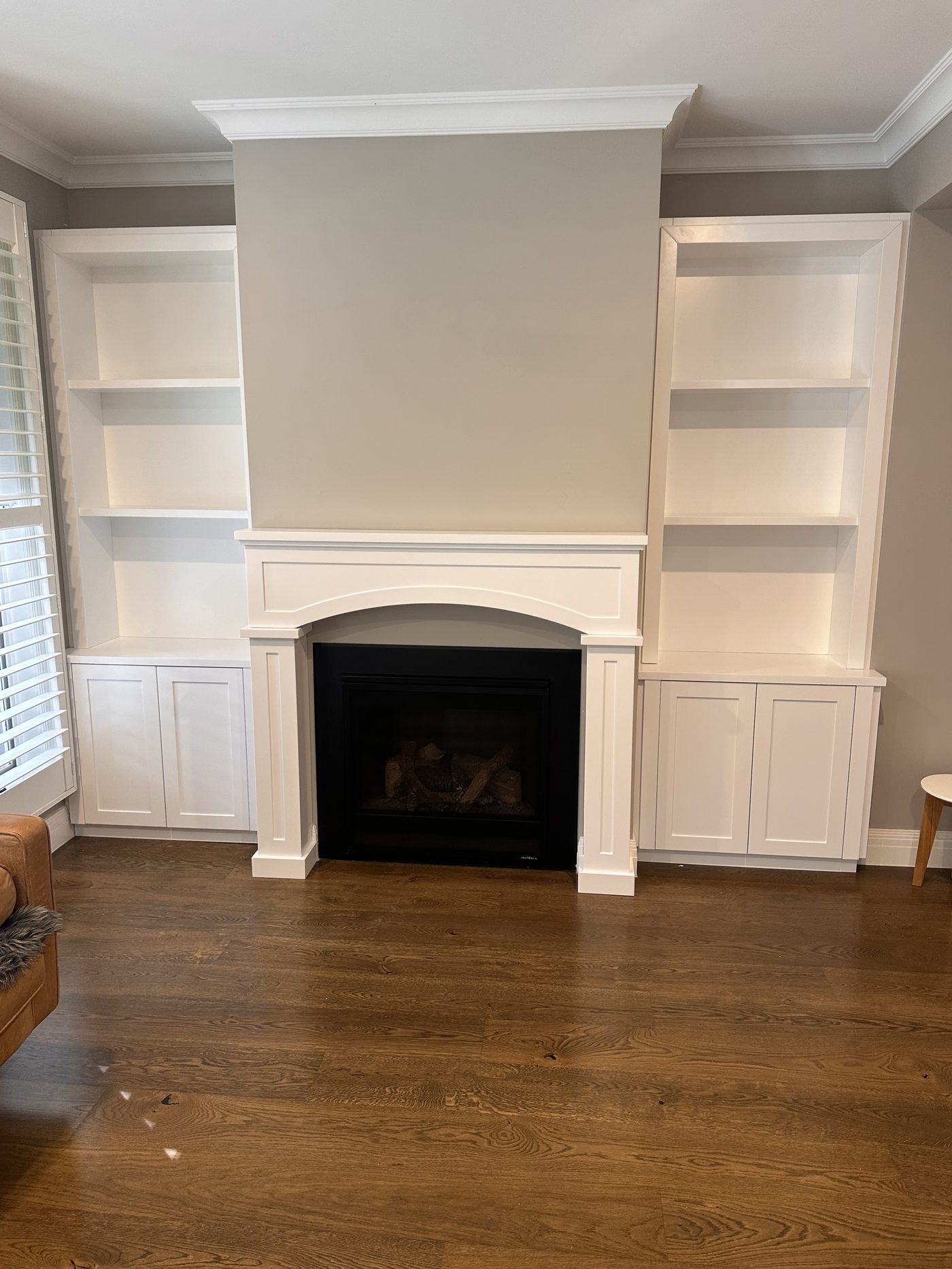
What defines a shaker kitchen
The shaker kitchen is characterised by a five-piece recessed panel door — a flat centre panel surrounded by a frame. It's one of the oldest and most enduring cabinet door styles, originating with the American Shaker movement in the 19th century. In Australian residential design, it has become the dominant "classic" kitchen style precisely because it works in almost any architectural context.
A well-designed shaker kitchen in Australia typically pairs painted shaker doors (often white, warm white, or a soft tone) with a stone or butcher-block benchtop, a simple tile splashback, and traditional or transitional hardware — cup pulls, knurled bar handles, or brushed brass knobs.
Why shaker kitchens are consistently popular
Shaker details age well. Unlike strongly trend-led styles, a well-executed shaker kitchen rarely feels dated. It can absorb changing hardware, paint colours, and benchtop trends without a cabinet replacement. This makes it a strong investment choice for owner-occupiers and a safe choice for properties being prepared for sale.
What a shaker kitchen costs
Shaker doors in painted MDF, thermolaminate, or polyurethane are standard offerings from most Australian cabinet makers. A mid-range shaker kitchen (semi-custom, quality hardware, stone benchtop) typically costs $22,000–$42,000 in a medium Australian kitchen.
Painted vs wrapped shaker doors
Painted (2PAC polyurethane) shaker doors offer the cleanest, most authentic result. Thermolaminated shaker profiles are less expensive but can show joint lines over time and are harder to touch up if chipped. For a kitchen you plan to keep for 10+ years, painted doors are worth the premium.